An official website of the United States government



Glossary
Definitions
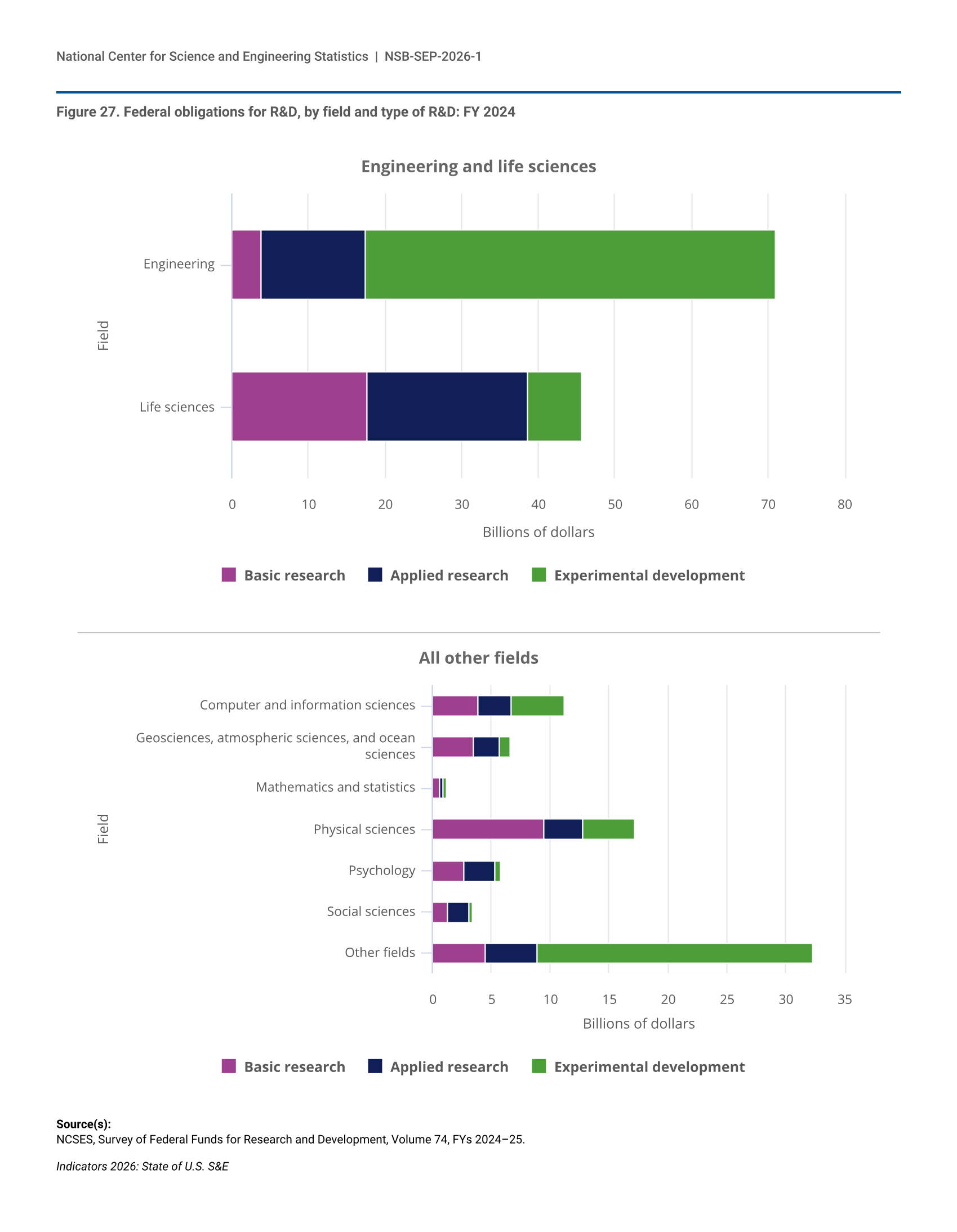
Applied research: Original investigation undertaken to acquire new knowledge. It is directed primarily toward a specific, practical aim or objective (OECD 2015).
Basic research: Experimental or theoretical work undertaken primarily to acquire new knowledge of the underlying foundations of phenomena and observable facts, without any particular application or use in view (OECD 2015).
Business sector: Consists of both private enterprises (regardless of whether they are publicly listed or traded) and government-controlled enterprises that are engaged in market production of goods or services at economically significant prices. Nonprofit entities, such as trade associations and industry-controlled research institutes, are also classified in the business sector (OECD 2015).
European Union (EU-27): The twenty-seven member nations of the European Union: Austria, Belgium, Bulgaria, Croatia, Cyprus, Czechia, Denmark, Estonia, Finland, France, Germany, Greece, Hungary, Ireland, Italy, Latvia, Lithuania, Luxembourg, Malta, the Netherlands, Poland, Portugal, Romania, Slovakia, Slovenia, Spain, and Sweden.
Experimental development: Systematic work, drawing on knowledge gained from research and practical experience and producing additional knowledge, which is directed to producing new products or processes or to improving existing products or processes (OECD 2015).
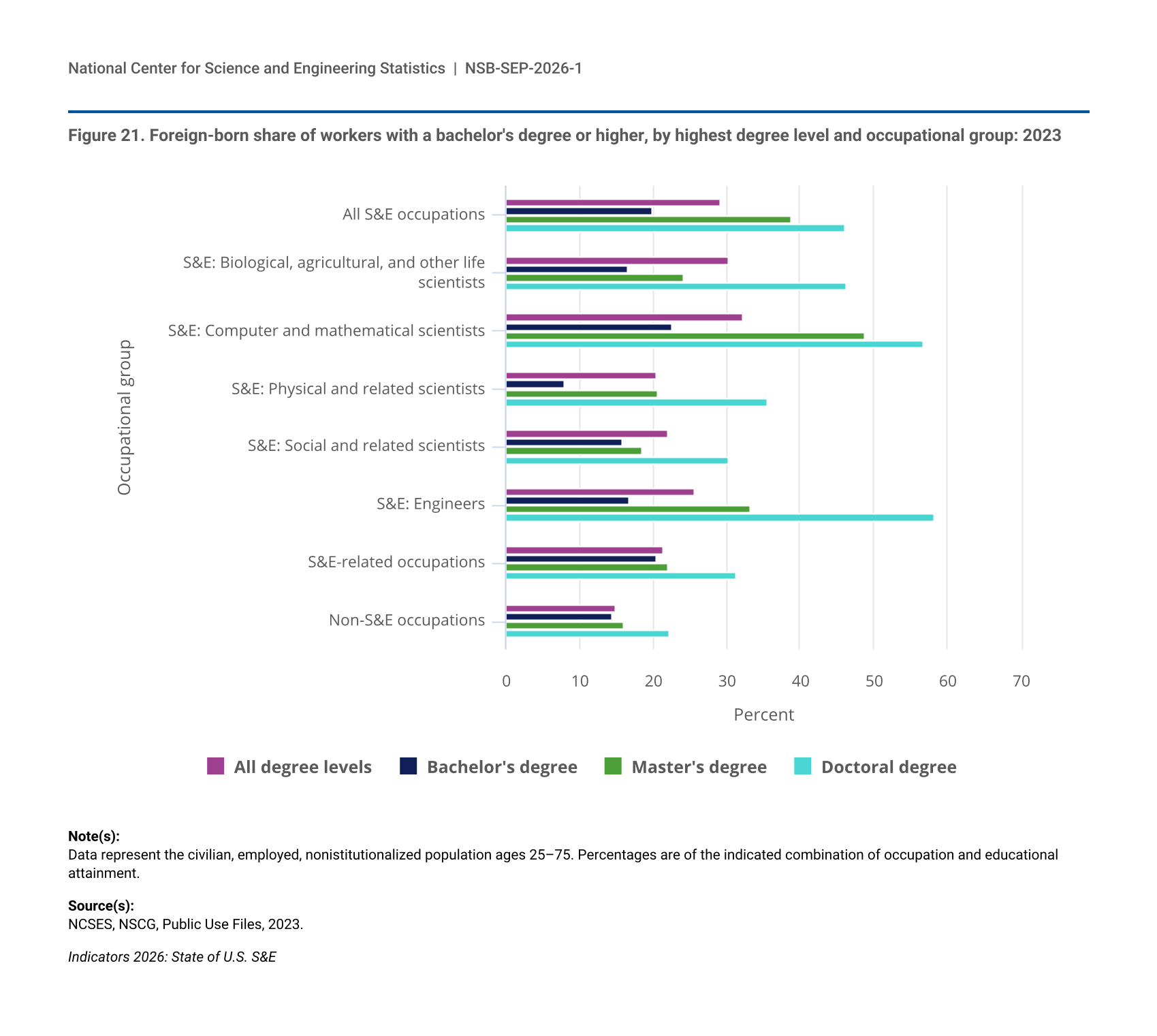
Foreign-born workers: Individuals born outside of the United States, regardless of citizenship. Foreign-born workers can be U.S. citizens or permanent residents.
Full-time, year-round workers: Workers who were employed at least 50 weeks in the preceding year (year-round workers) and worked at least 35 hours per week during that year (full-time workers).
General-purpose technology (GPT): Technologies that are widely used, are capable of ongoing technical improvement, and enable applications in other sectors (Bresnahan 2010).
Government sector: Consists of all federal, state, and local governments, except those that provide higher education services, and all nonmarket, nonprofit institutions controlled by government entities that are not part of the higher education sector. This sector excludes public corporations, even when all of the equity of such corporations is owned by government entities. Public enterprises are included in the business sector (see Business sector) (OECD 2015).
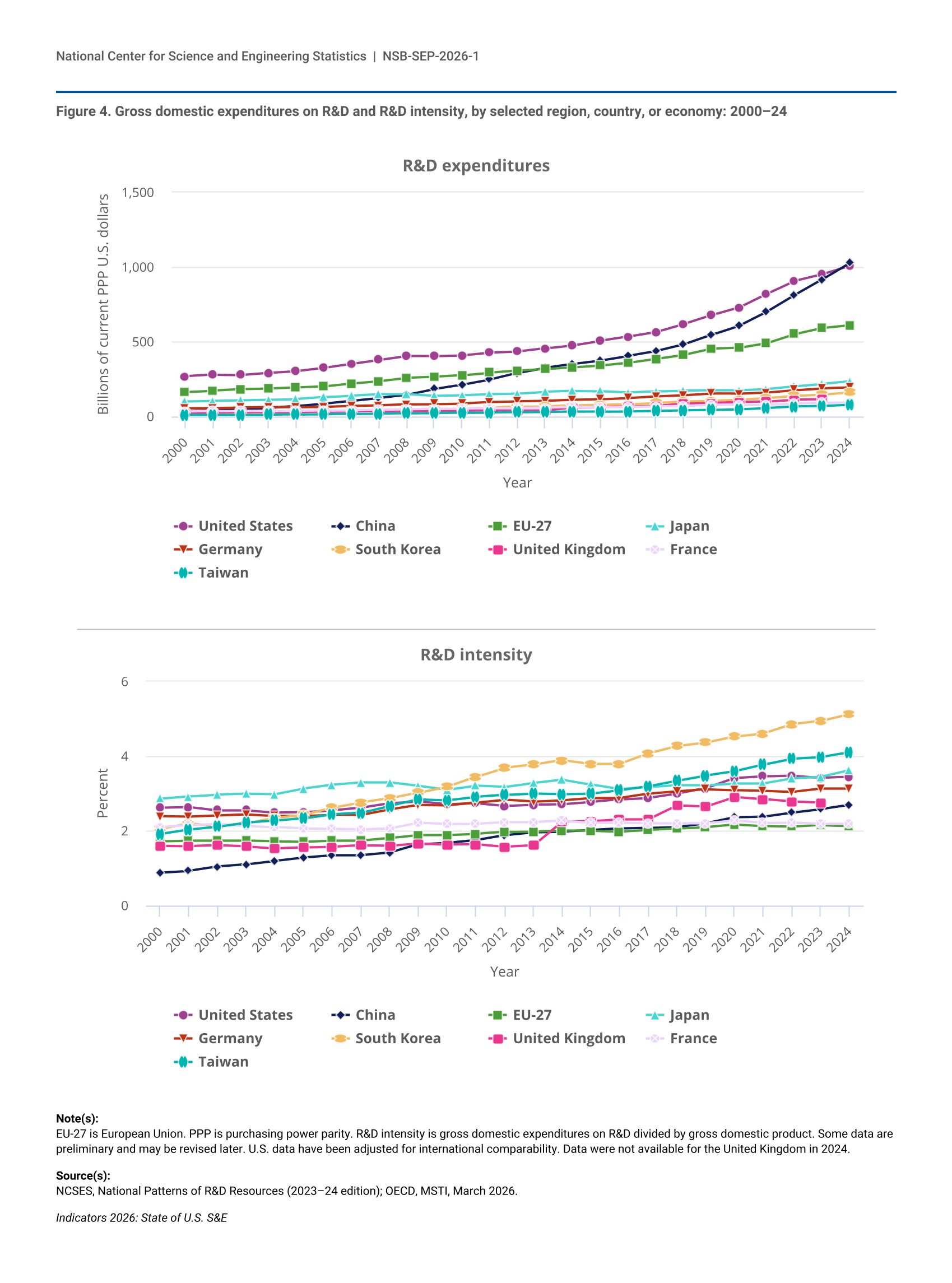
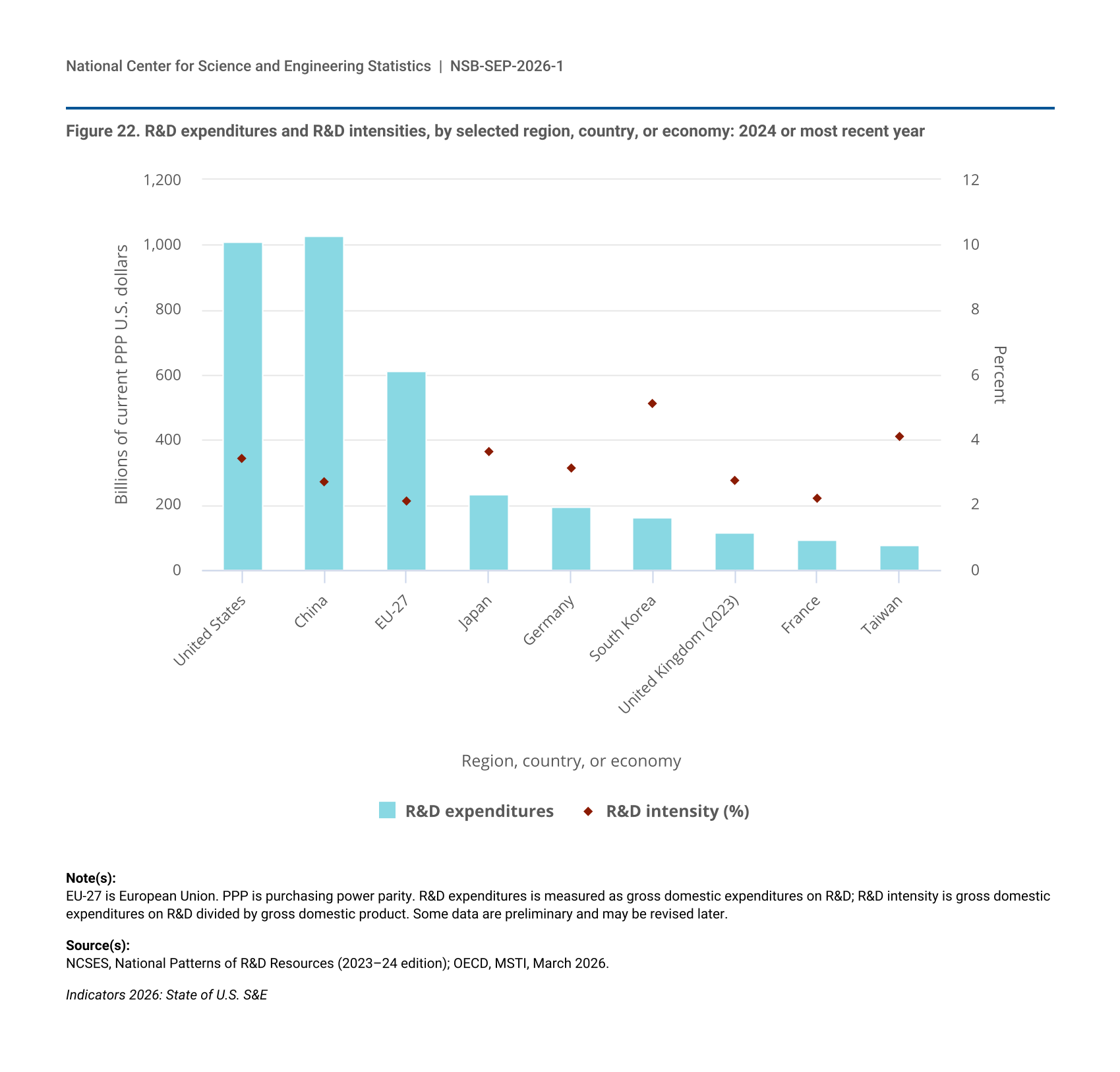
Gross domestic expenditures on R&D (GERD): Defined by OECD as the total expenditure (current and capital) on R&D carried out by all resident companies, research institutes, and university and government laboratories in a country. It includes R&D funded from abroad but excludes domestic funds for R&D performed outside the domestic economy (OECD 2015).
Gross domestic product (GDP): The market value of all final goods and services produced within a country in a given period.
Higher education sector: Consists of all universities, colleges of technology, and other institutions providing formal tertiary education programs, whatever their source of finance or legal status, as well as all research institutes, centers, experimental stations, and clinics that have their R&D activities under the direct control of, or that are administered by, tertiary education institutions (OECD 2015).
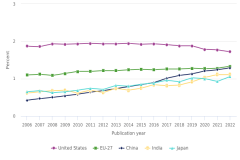
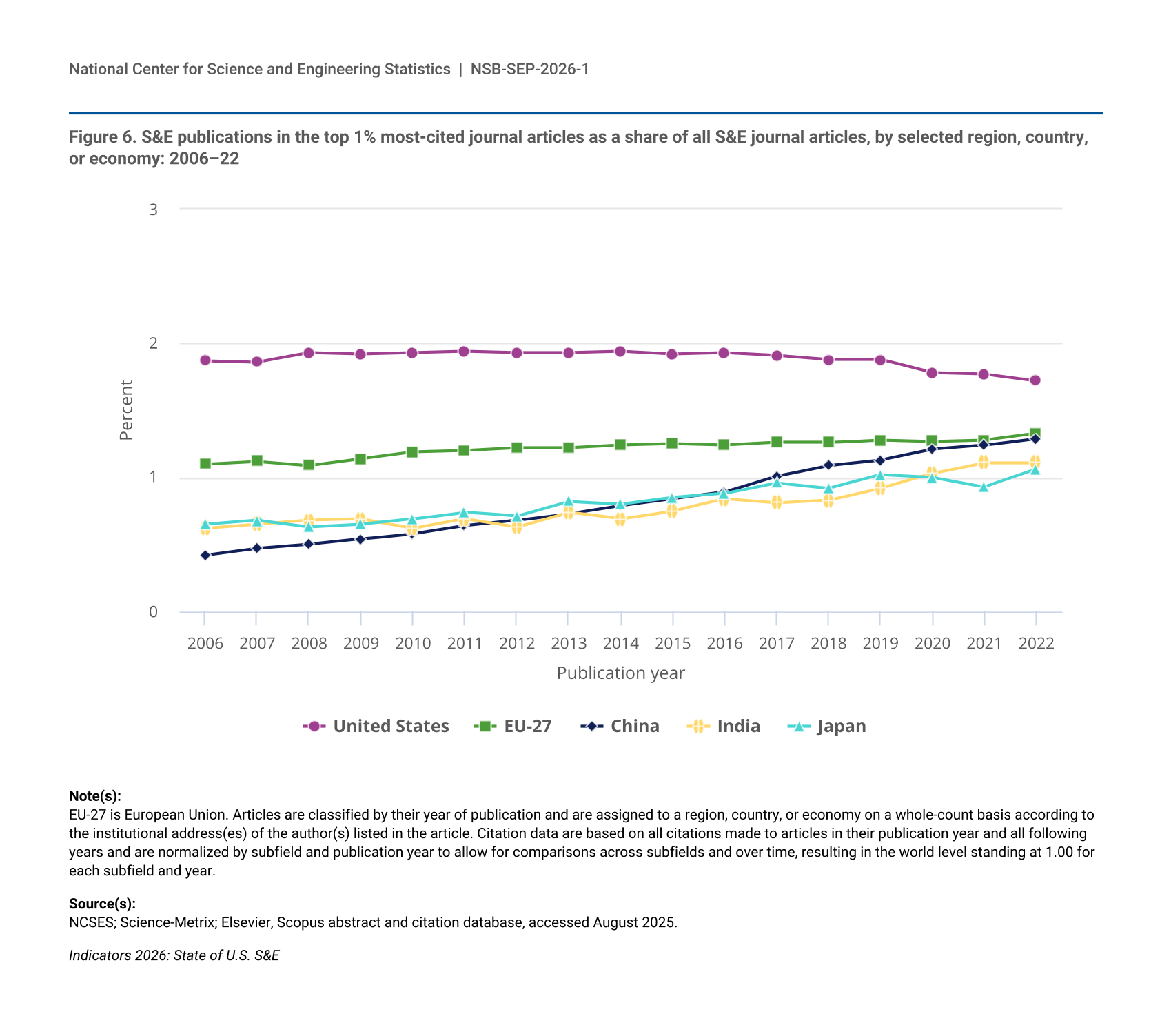
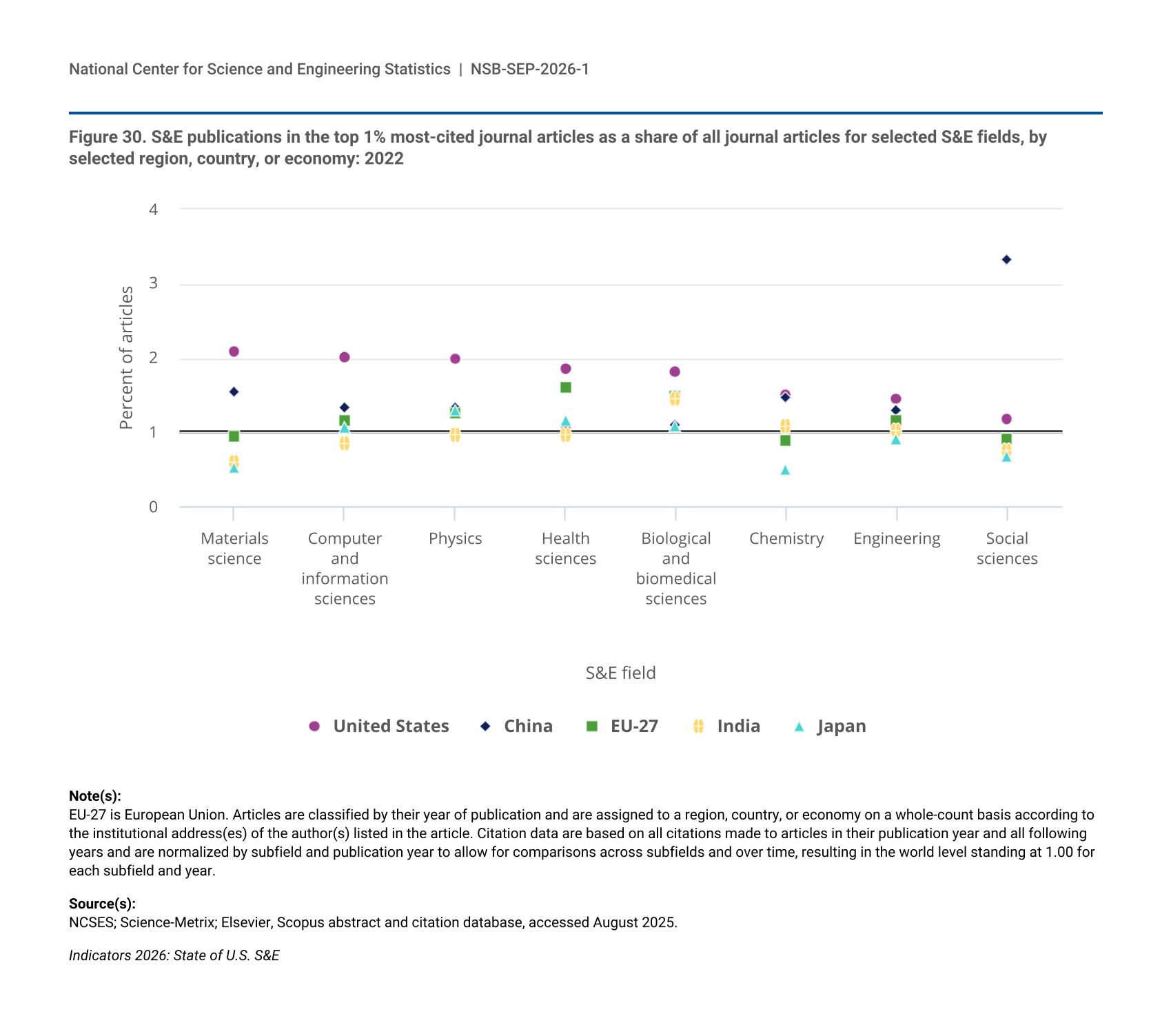
Highly cited article (HCA): An HCA ratio provides an indication of scientific impact (Waltman, van Eck, and Wouters 2013). The HCA ratio for a country or other geographic location is calculated as the share of all articles published in a given year by authors with institutional addresses within that location that fall within the top 1% by citation count of all articles published that year, measured for each research field. The HCA ratio is indexed to 1.00, so a location whose authors produce HCAs at the expected (i.e., global average) rate has an HCA ratio of 1.00—that is, 1% of the location’s articles are among the top 1% of the world’s highly cited articles. A location with an HCA ratio greater than 1.00 is producing a disproportionately high level of articles with exceptional scientific impact, whereas a location whose authors produce relatively fewer influential articles will have an HCA ratio below 1.00.
Highly cited patents: A ratio that represents the percentage of patents from inventors in a region, country, or economy that are in the top 1% of all cited patents, compared with the number of patents from that region, country, or economy. For example, if 1% of AI patents from the United States are in the top 1% of AI patents globally, then the highly cited patent index for the United States is 1.00. If the highly cited patent index for a location is 0.75, then 0.75% of that location’s patents are in the top 1% globally.
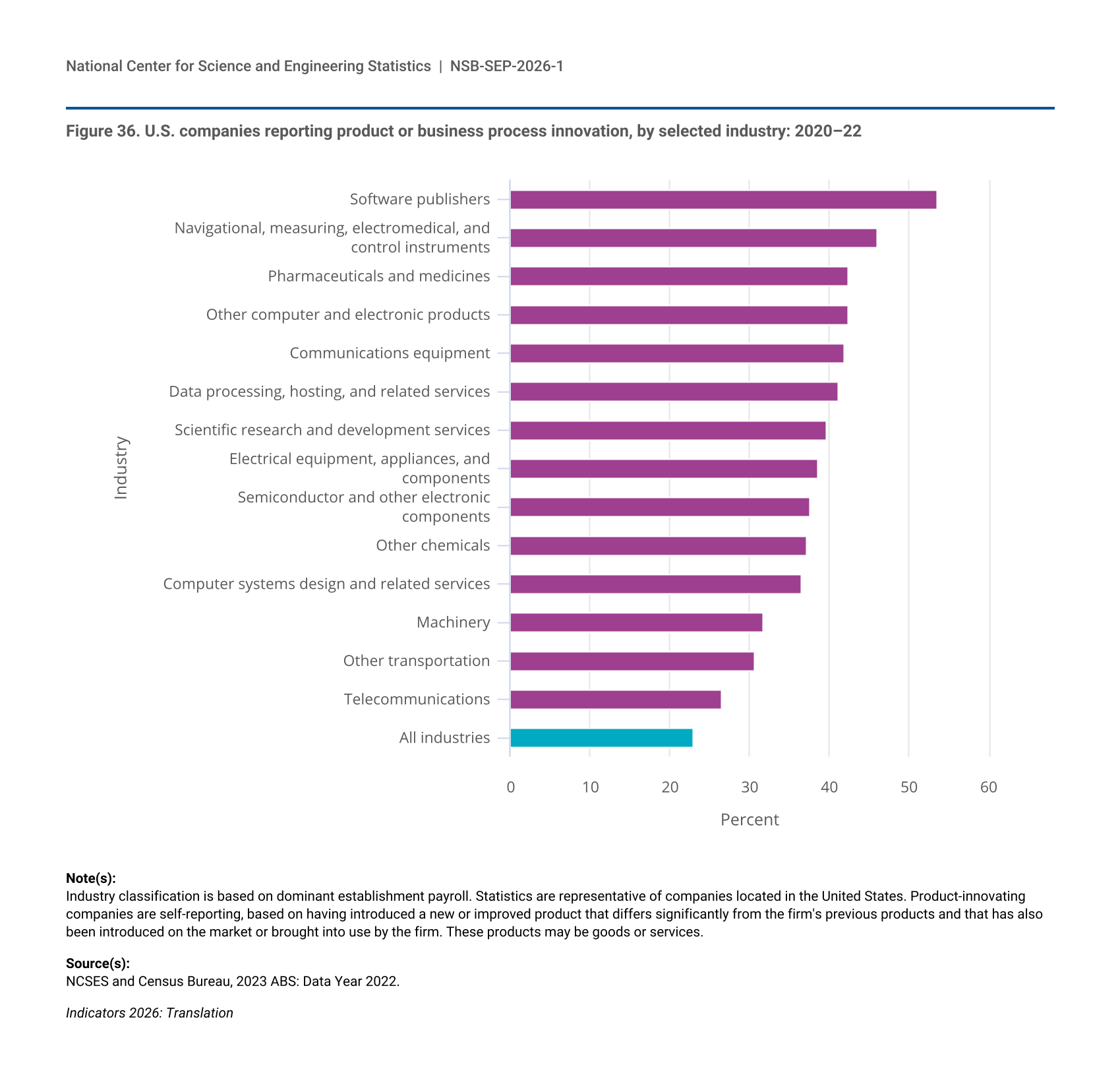
Innovation: A new or improved product or process (or combination thereof) that differs significantly from the unit’s previous products or processes and that has been made available to potential users (product) or brought into use by the unit (process). The unit is a generic term to describe the actor responsible for innovations. It refers to any institutional unit in any sector, including households and their individual members, according to the Oslo Manual 2018 (OECD, Eurostat 2018).
Intangibles or intellectual property products (IPPs): IPPs are the result of R&D or innovation leading to knowledge that the developers can market or use to their own benefit in production because use of the knowledge is restricted by means of legal or other protection. They include R&D; mineral exploration and evaluation; computer software and databases; entertainment, literary, and artistic originals; and other IPPs.
Intellectual property (IP): Creations of the mind including inventions; literary and artistic works; and symbols, names, images, and designs used in commerce. Industrial IP includes patents, utility models, trademarks, and industrial designs. IP covered by copyright includes literary, artistic, and musical works (WIPO 2020).
Internationally mobile students: Students who have physically crossed an international border to enroll with the objective of graduating with a degree in the country of destination. Students enrolled in short-term for-credit programs and exchange programs are excluded (UNESCO, UIS 2025).
Invention: Any new and useful process, machine, manufacture, or composition of matter, or any new and useful improvement thereof (USPTO 2020).
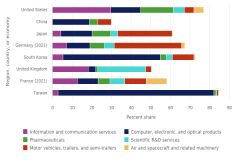
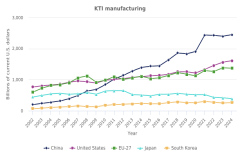
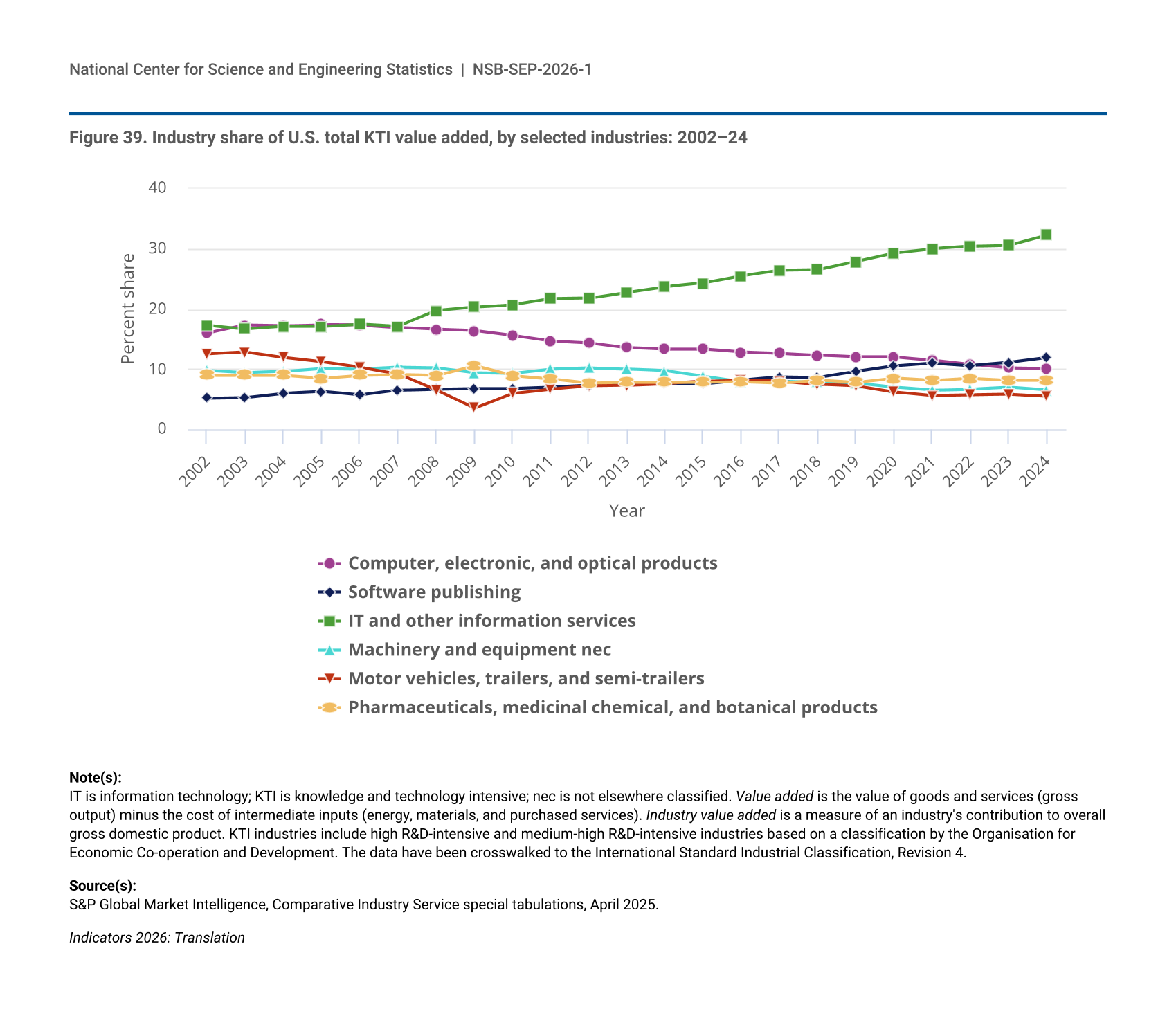
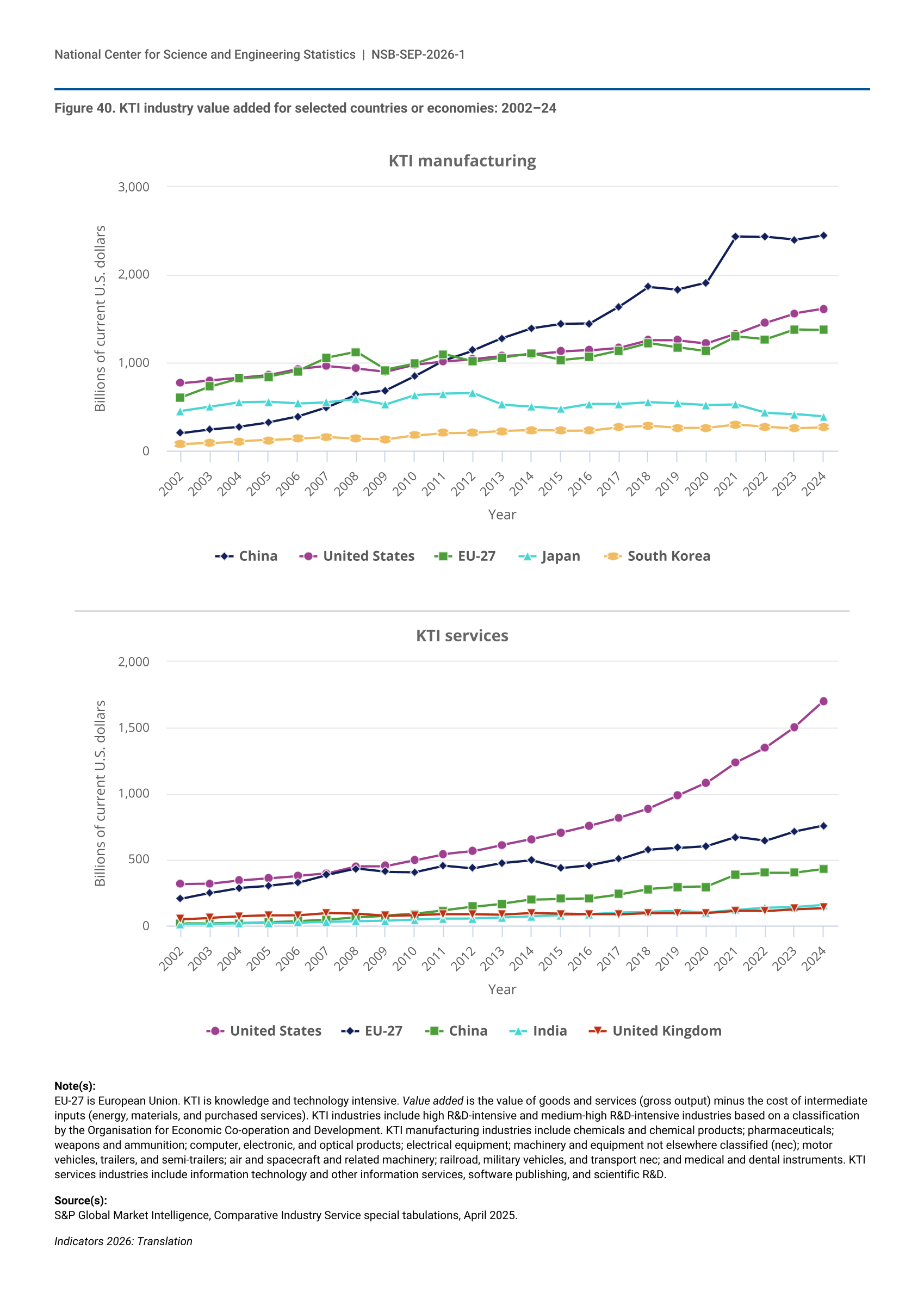
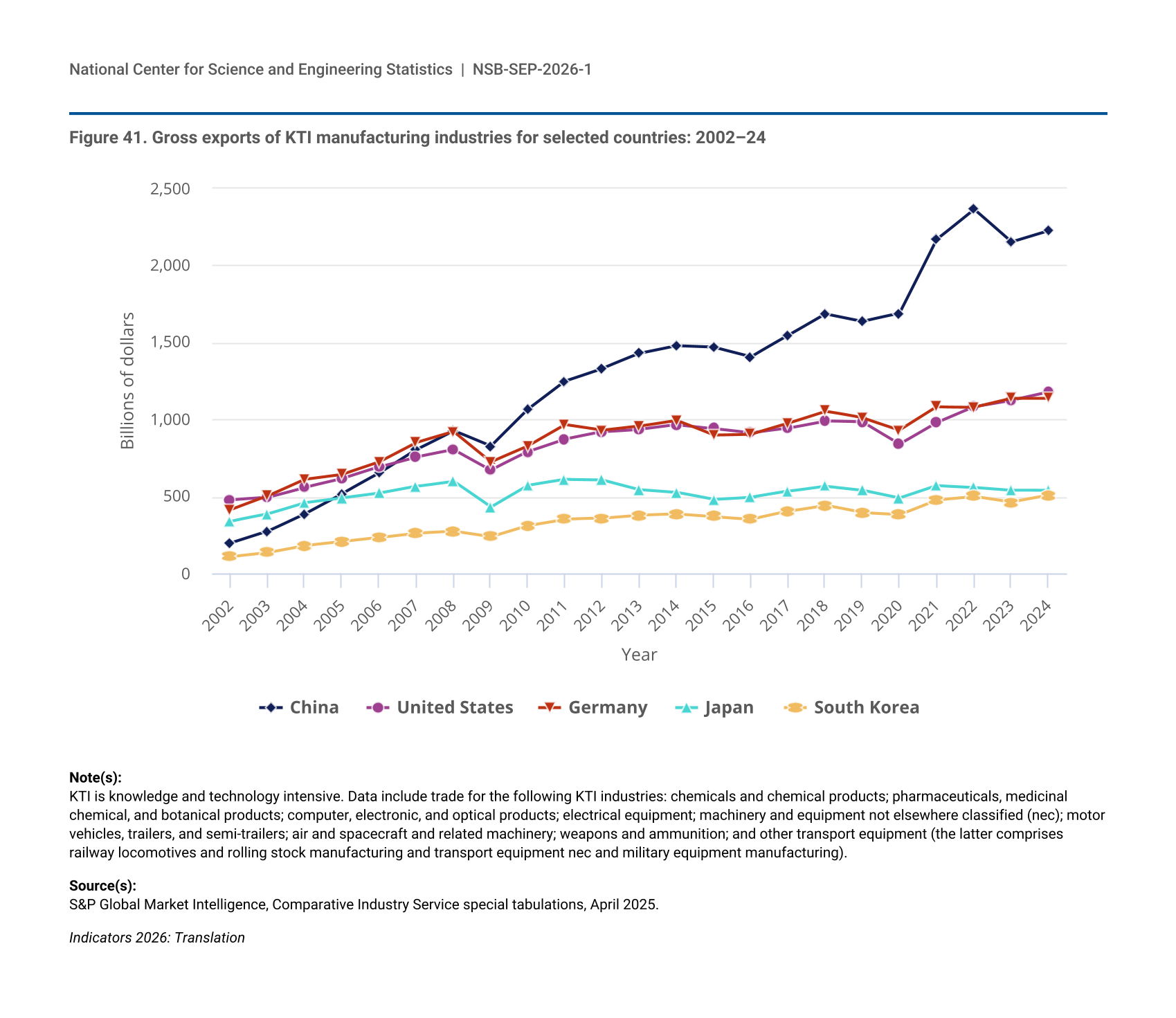
Knowledge- and technology-intensive (KTI) industries: Industries classified by the OECD as high and medium-high R&D intensive industries. OECD defines industry R&D intensity as the ratio of an industry’s business R&D expenditures to its value added (OECD 2016). KTI industries in this report include 10 manufacturing and 3 services industries from the International Standard Industrial Classification of All Economic Activities, Revision 4 (ISIC Rev.4). Manufacturing industries include air and spacecraft and related machinery (ISIC Rev.4 industry code 303); pharmaceuticals (21); computer, electronic, and optical products (26); weapons and ammunition (252); motor vehicles, trailers, and semi-trailers (29); medical and dental instruments (325); machinery and equipment not elsewhere classified (28); chemicals and chemical products (20); electrical equipment (27); and railroad, military vehicles, and transport not elsewhere classified (302, 304, 309). Services industries include scientific R&D (72), software publishing (582), and IT and other information services (62–63).
Patent and Trademark Office (USPTO) patent: As defined by the USPTO, a property right granted by the U.S. government to an inventor “to exclude others from making, using, offering for sale, or selling the invention throughout the United States or importing the invention into the United States” for a limited time in exchange for public disclosure of the invention when the patent is granted (USPTO 2025a).
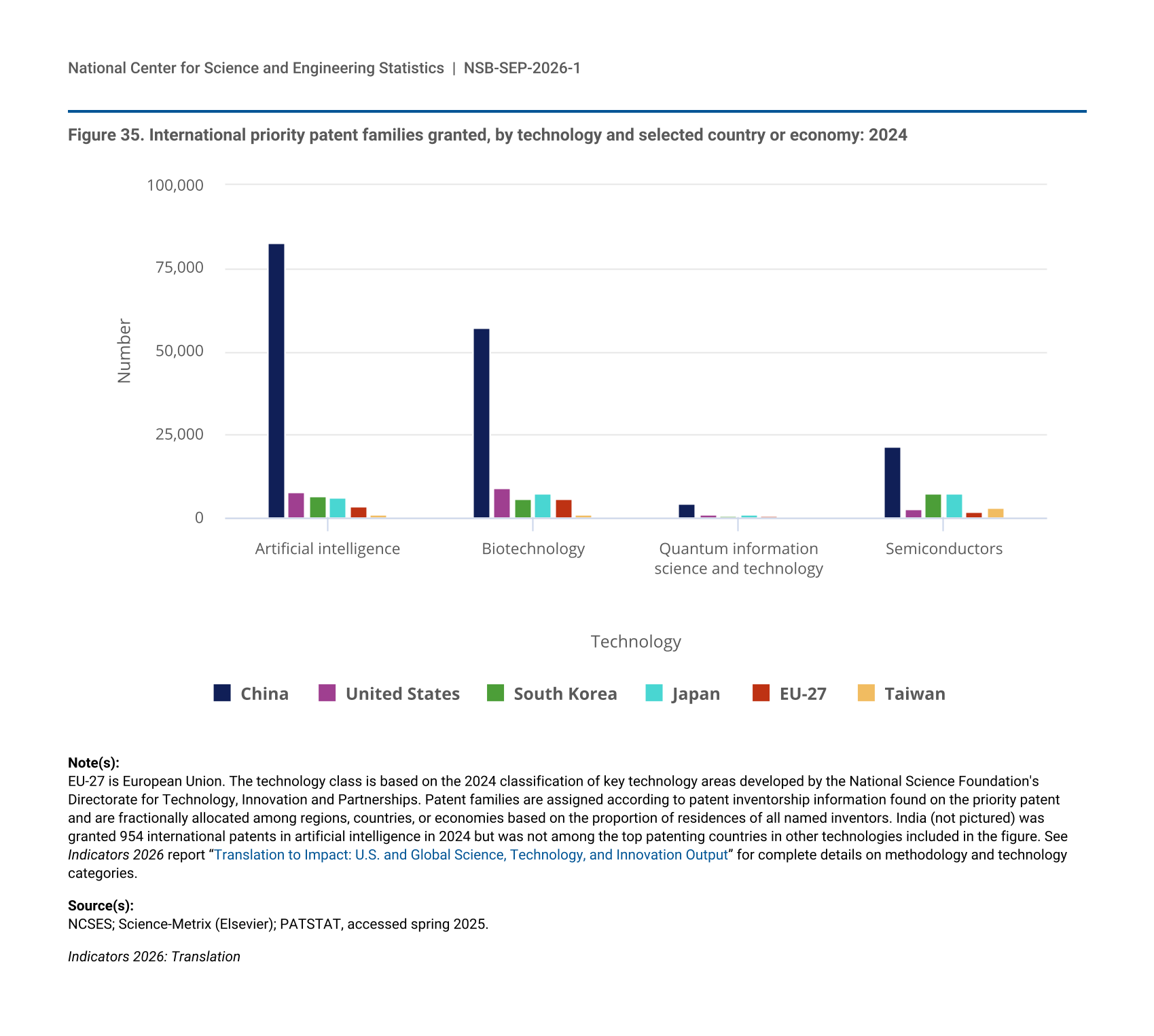
Priority patent families: These are original patents that have been issued by any international jurisdiction, adjusted to count only the first issuance of a series or family of related patents. The unit of measurement is a patent family that shares a single original invention in common. All subsequent patents in a family refer to the first patent filed, or priority patent, and the indicator provides an unduplicated count of original or priority patents in any individual jurisdiction. The data used in this report are from the European Patent Office’s PATSTAT database (EPO 2025).
Private nonprofit sector: Consists of nonmarket, private nonprofit institutions serving households. This sector excludes those nonprofit organizations mainly rendering services to enterprises, primarily serving government, entirely or mainly financed and controlled by the government, offering higher education services or controlled by institutes of higher education (OECD 2015).
Purchasing power parity (PPP): The price of a common basket of goods and services in each participating economy, measuring what an economy’s local currency can buy in another economy (World Bank 2025). PPPs convert different currencies to a common currency while adjusting for differences in price levels between economies; thus, they enable direct comparisons of R&D expenditures across countries.
Research and (experimental) development (R&D): Creative and systematic work undertaken to increase the stock of knowledge—including knowledge of humankind, culture, and society—and its use to devise new applications of available knowledge (OECD 2015).
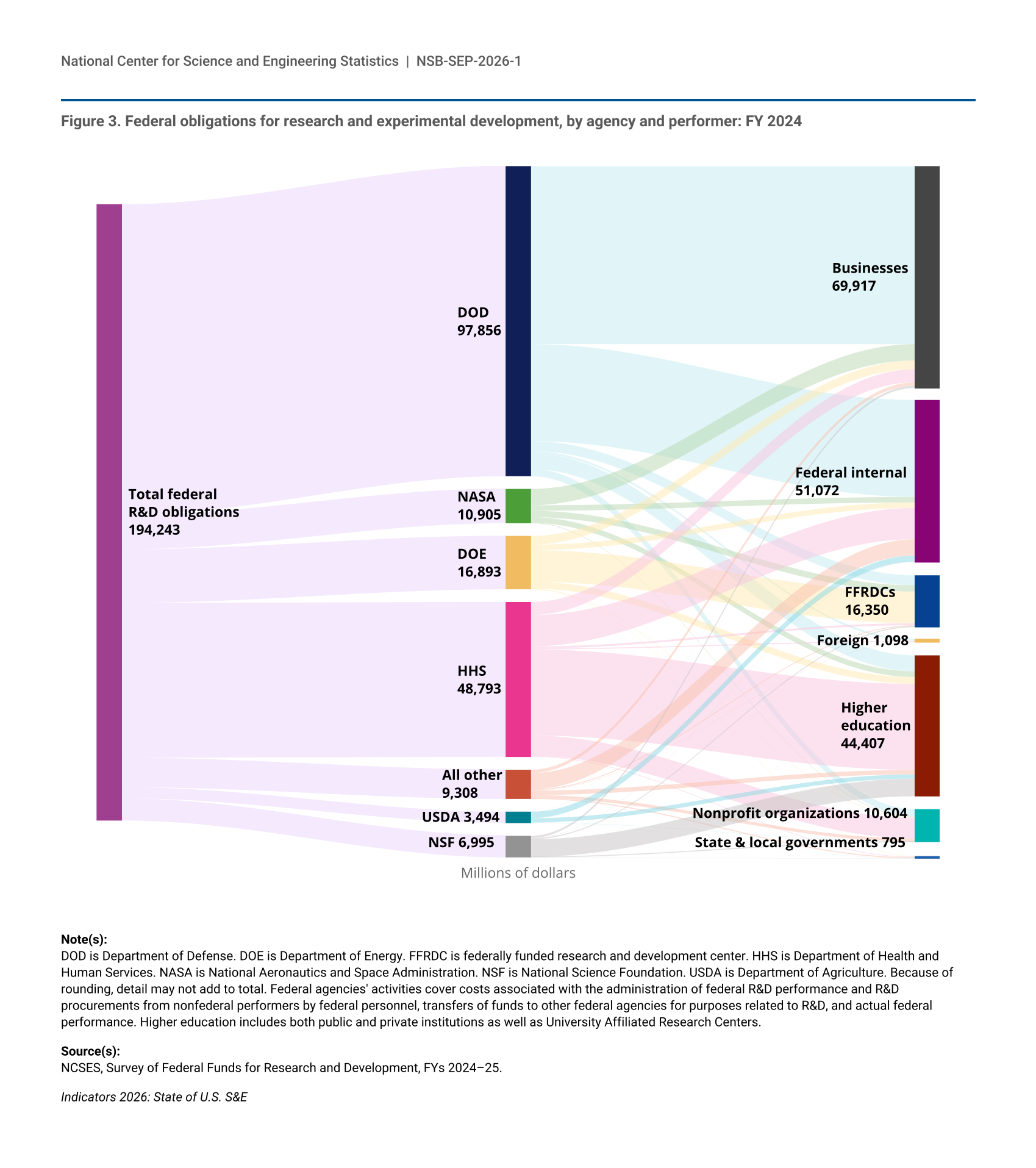
Research and development (R&D) funding (funders): Expenditures (or those that use expenditures) to pay the costs of R&D performance. For example, the federal government provides funding to laboratories at higher education institutions to perform R&D at the laboratories. R&D funders may differ from R&D performers (see R&D performance).
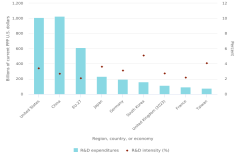
Research and development (R&D) intensity: A measure of R&D expenditures relative to size, production, financial, or other characteristics for a given R&D-performing unit (e.g., country, sector, or company). Examples include R&D-to–gross domestic product (GDP) ratio used in R&D cross-national comparisons and R&D-to–value-added output ratio used to classify industries as knowledge and technology intensive.
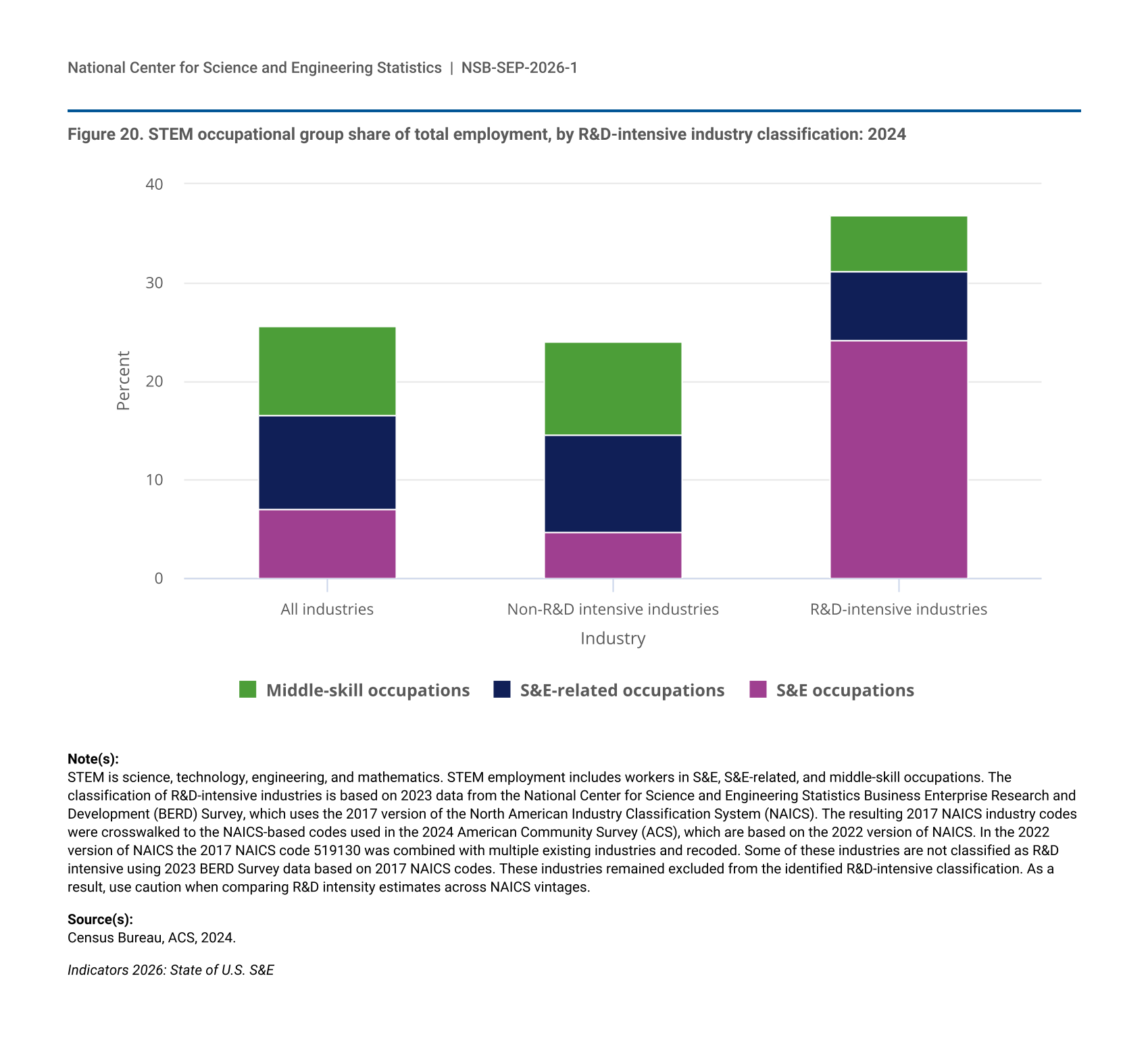
R&D-intensive industries: NCSES industry classification based on level of R&D intensity indicated in the 2023 Business Enterprise Research and Development (BERD) Survey. R&D-intensive industries include 7 manufacturing industries and 6 services industries. Manufacturing industries include Pharmaceuticals and medicines (NAICS 3254), Semiconductor machinery (NAICS 333242), Communications equipment (NAICS 3342), Semiconductor and other electronic components (NAICS 3344), Navigational, measuring, electromedical, and control instruments (NAICS 3345), Other computer and electronic products (NAICS 3341, 3343, 3346), and Aerospace products and parts (NAICS 3364). Services industries include Software publishers (NAICS 5132), Data processing, hosting, and related services (NAICS 518), Other information services (NAICS 5121, 5122, 5162, 51921, 51929), Computer system design and related services (NAICS 5415), Scientific research and development services (NAICS 5417), and Other professional, scientific, and technical services (NAICS 5411, 5412, 5414, 5416, 5418, 5419).
Research and development (R&D) performance (performers): Intramural expenditures (or those that use intramural expenditures) to conduct R&D. For example, laboratories at higher education institutions perform R&D with funding from the federal government. R&D performers may differ from R&D funders (see R&D funding).
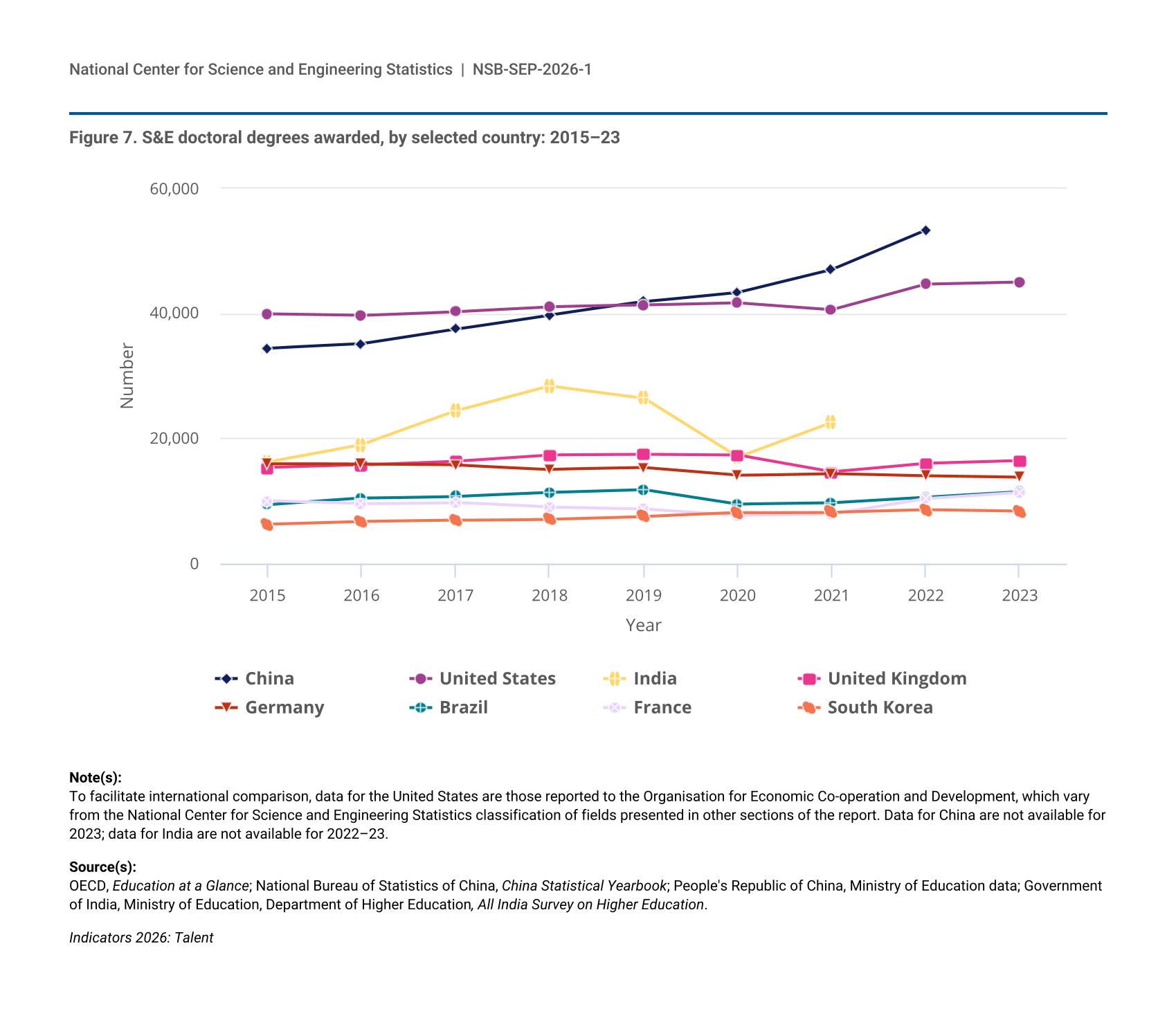
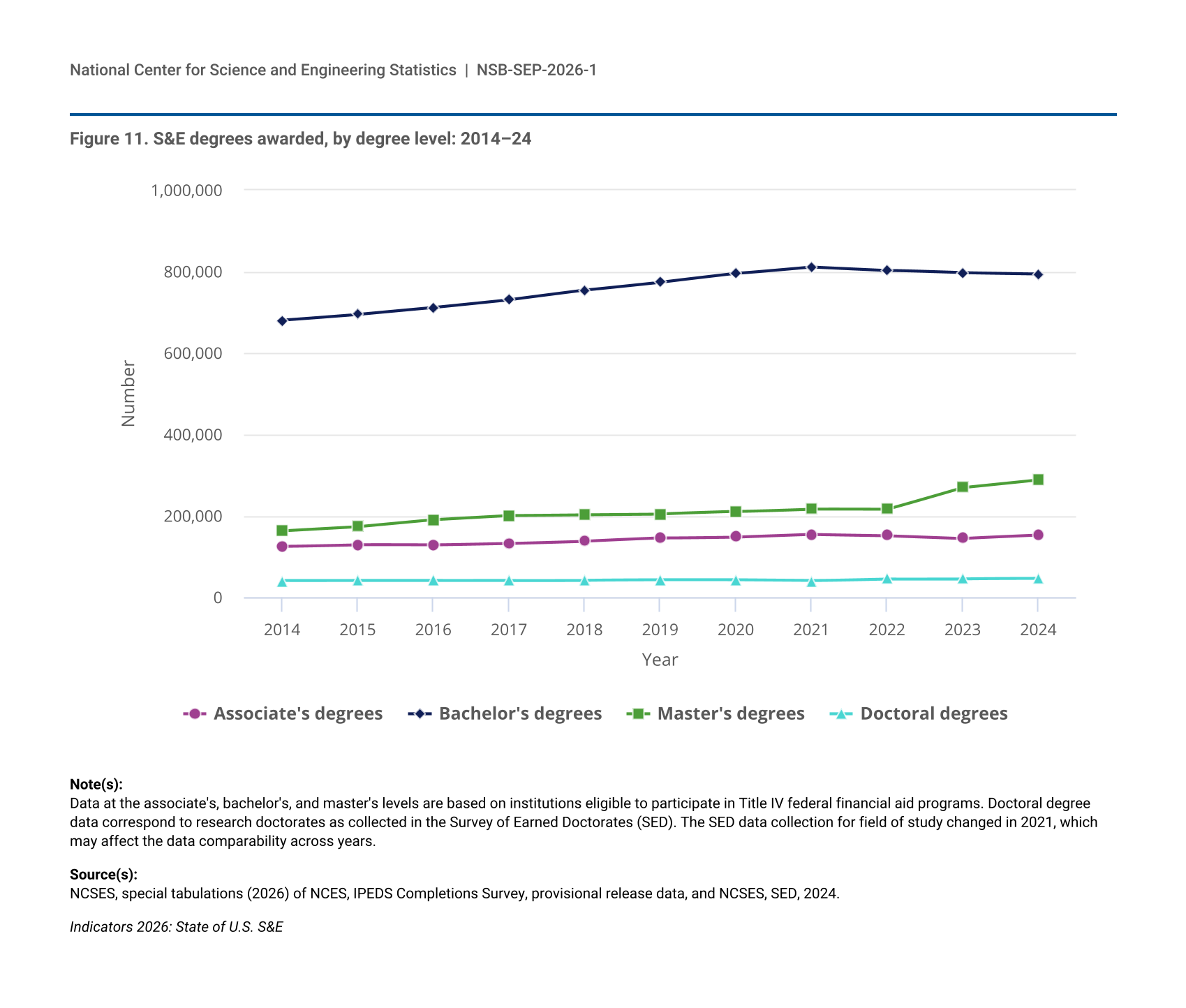
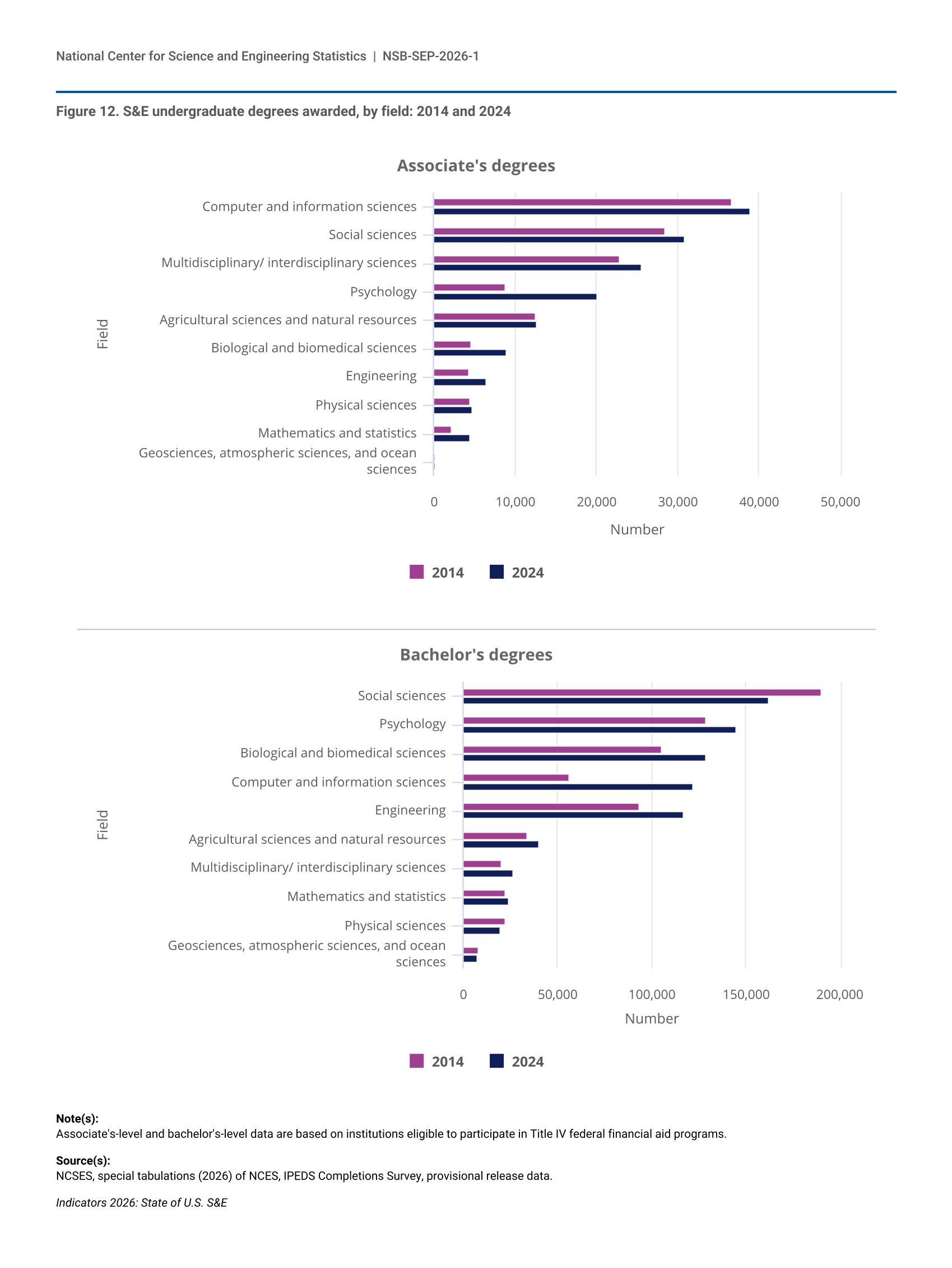
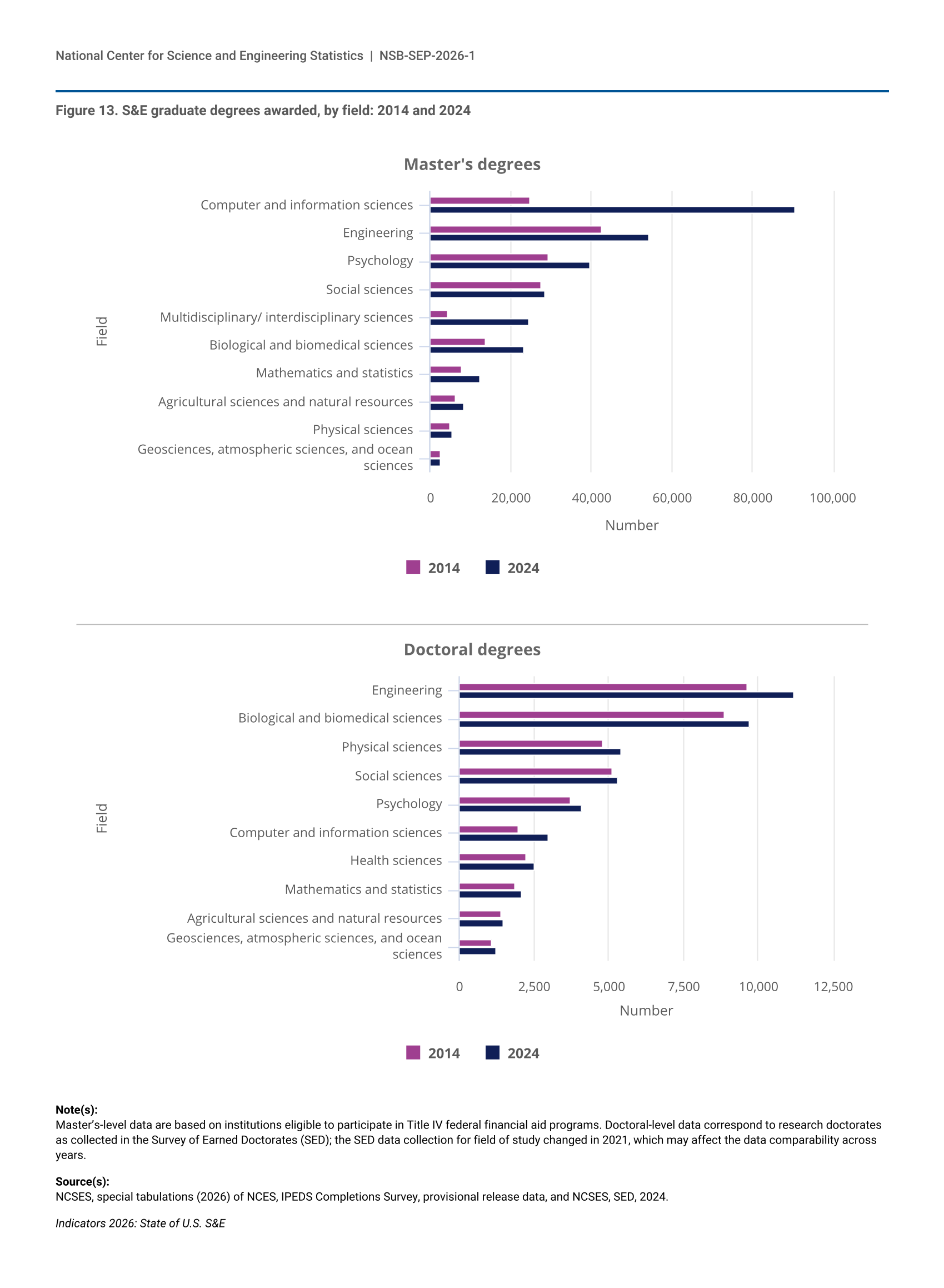
Science and engineering (S&E) fields (degrees): Degrees awarded in the following fields: agricultural sciences and natural resources; biological and biomedical sciences; computer and information sciences; engineering; geosciences, atmospheric sciences, and ocean sciences; mathematics and statistics; multidisciplinary and interdisciplinary sciences; physical sciences; psychology; and social sciences. At the doctoral level only, health sciences are also included in S&E fields of study because at this level these fields are more likely to be research oriented rather than practitioner oriented.
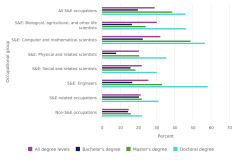
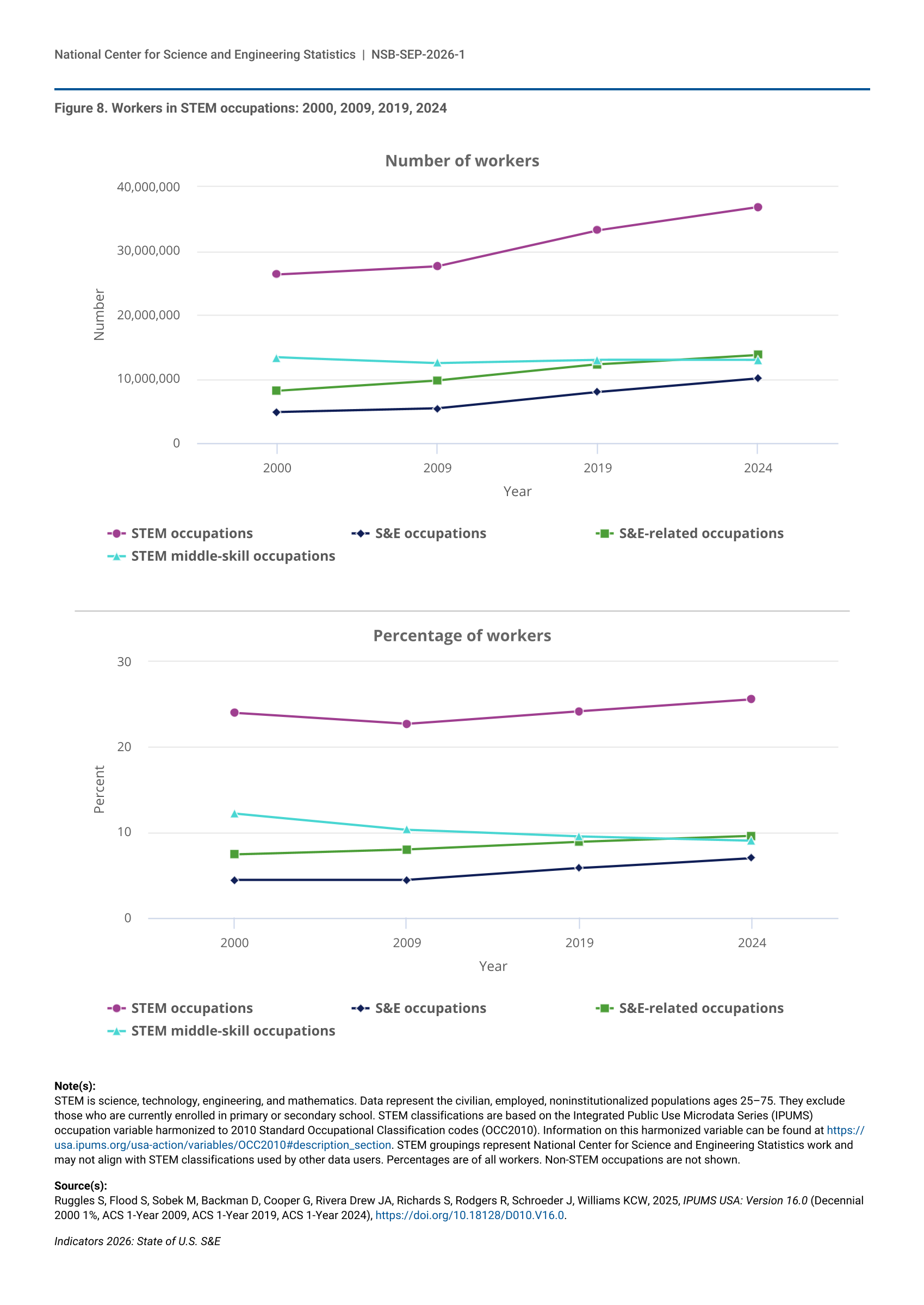
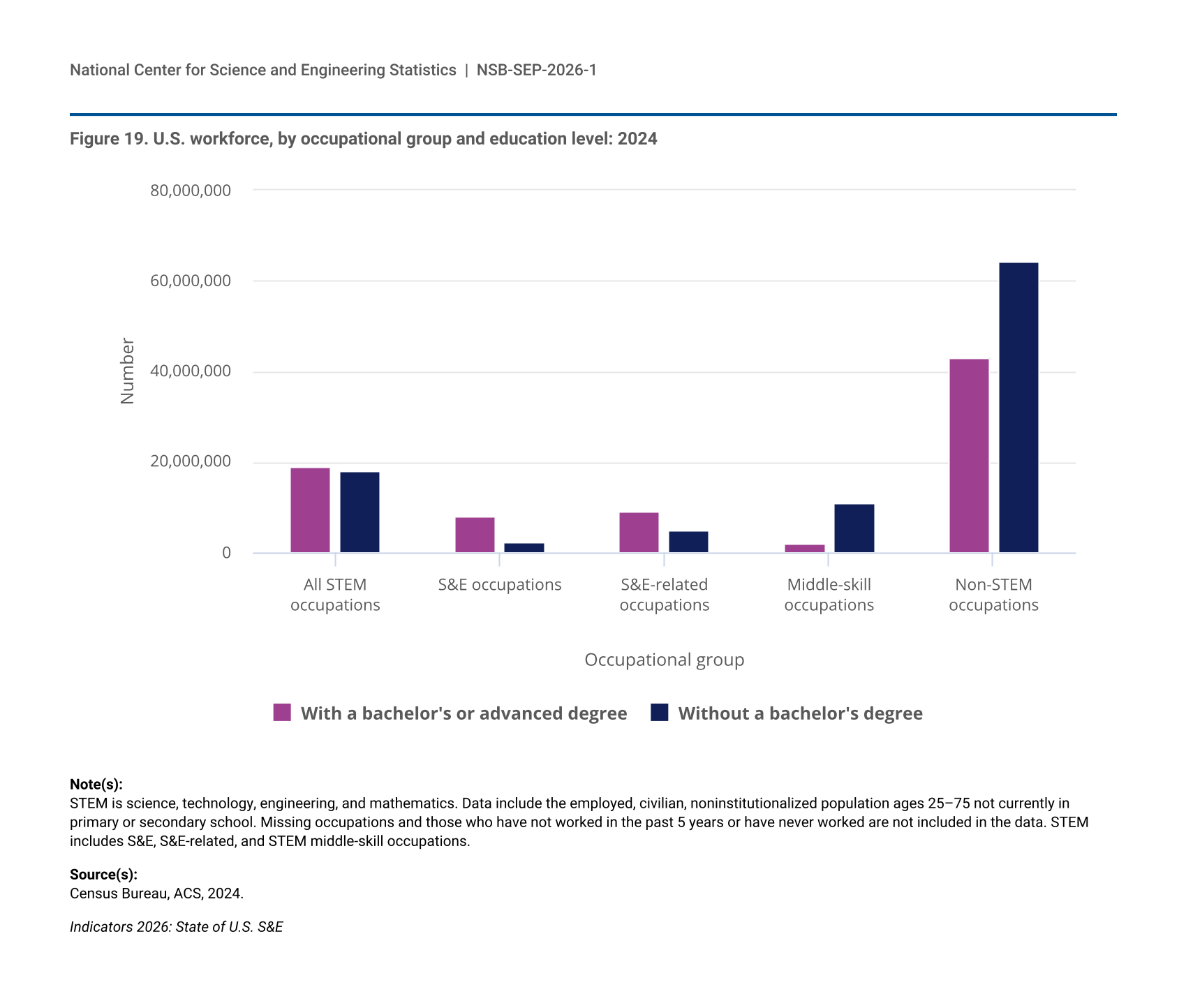
Science and engineering (S&E) occupations: Occupations in the following five major categories: (1) computer and mathematical scientists; (2) biological, agricultural, and environmental life scientists; (3) physical scientists; (4) social scientists; and (5) engineers.
S&E-related occupations: These occupations require science and technology expertise but are not part of the five major categories of the S&E occupations. S&E-related occupations include these four minor occupations: (1) health, (2) S&E managers, (3) S&E precollege teachers, and (4) technologists and technicians.
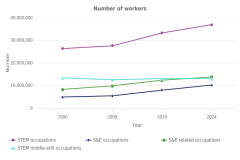
Science, technology, engineering, and mathematics (STEM) occupations: A subset of the U.S. workforce made up of S&E, S&E-related, and STEM middle-skill occupations (see S&E occupations, S&E-related occupations, and STEM middle-skill occupations).
STEM middle-skill occupations: A range of occupations that require a high level of STEM expertise to perform their core duties, although these occupations do not require a bachelor’s degree for entry. STEM middle-skill occupations are primarily in health care; construction; installation, maintenance, and repair; and production.
Trademark: A word, phrase, symbol, or design, or a combination thereof, that identifies and distinguishes the source of the goods of one party from those of others. In this report, trademark refers to both goods and services.
Utility patent: Intellectual property protection for a potentially useful, previously unknown, and nonobvious invention.
Value-added: Value added is a net measure of output; it is the difference between the value of goods and services (gross output) and the cost of intermediate inputs that were used in production, including energy, materials, and services. Industry value added is a measure of an industry’s contribution to overall gross domestic product.
Key to Acronyms and Abbreviations
ABS: Annual Business Survey
ACS: American Community Survey
AI: artificial intelligence
Analytical Business Enterprise Research and Development: ANBERD
AP: Advanced Placement
BEA: Bureau of Economic Analysis
BLS: Bureau of Labor Statistics
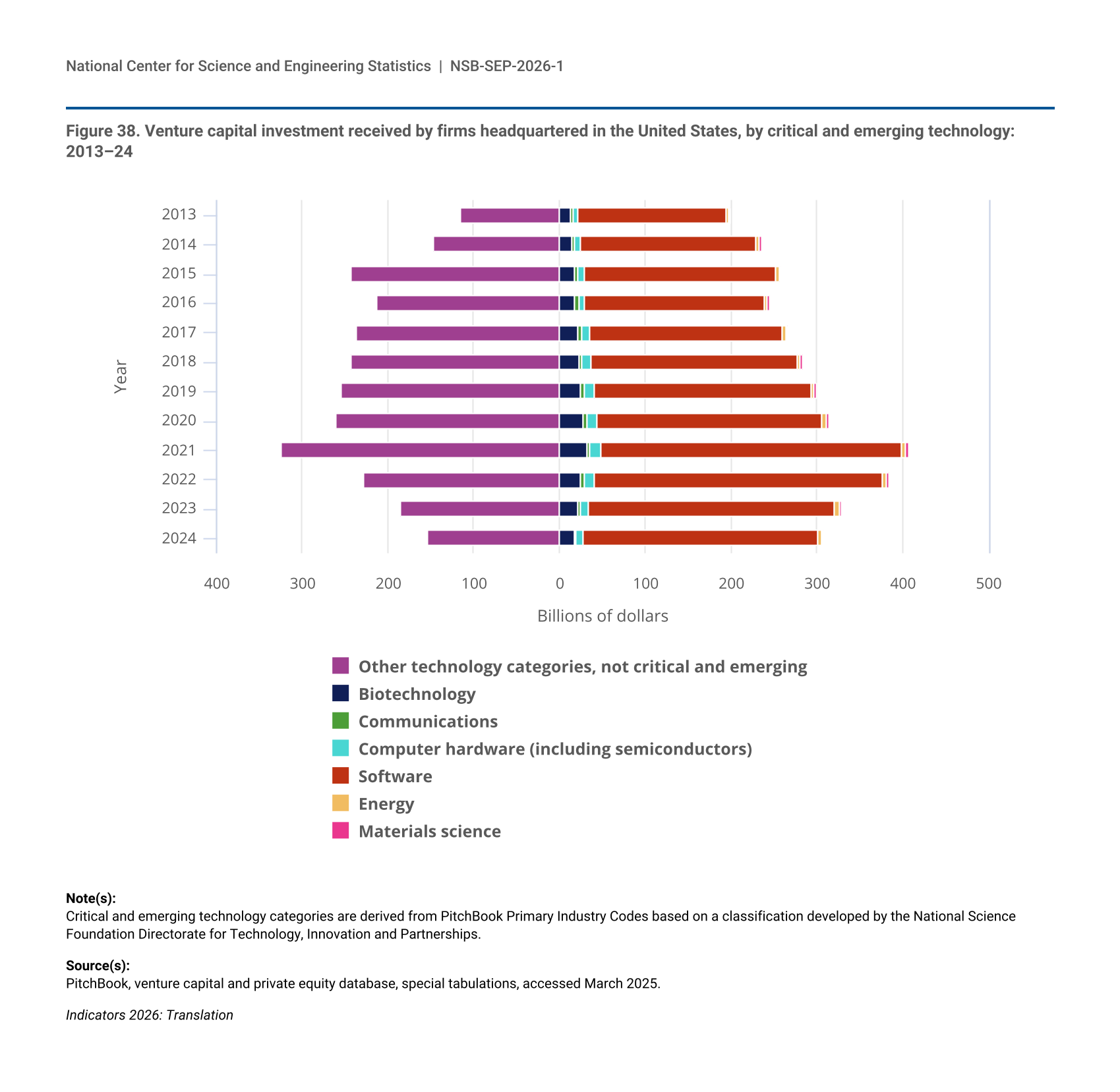
CET: critical and emerging technology
CRADA: cooperative research and development agreement
DHS: Department of Homeland Security
DOD: Department of Defense
DOE: Department of Energy
EPO: European Patent Office
EU-27: European Union
GDP: gross domestic product
GPT: general-purpose technology
GSS: Survey of Graduate Students and Postdoctorates in Science and Engineering
HCA: highly cited article
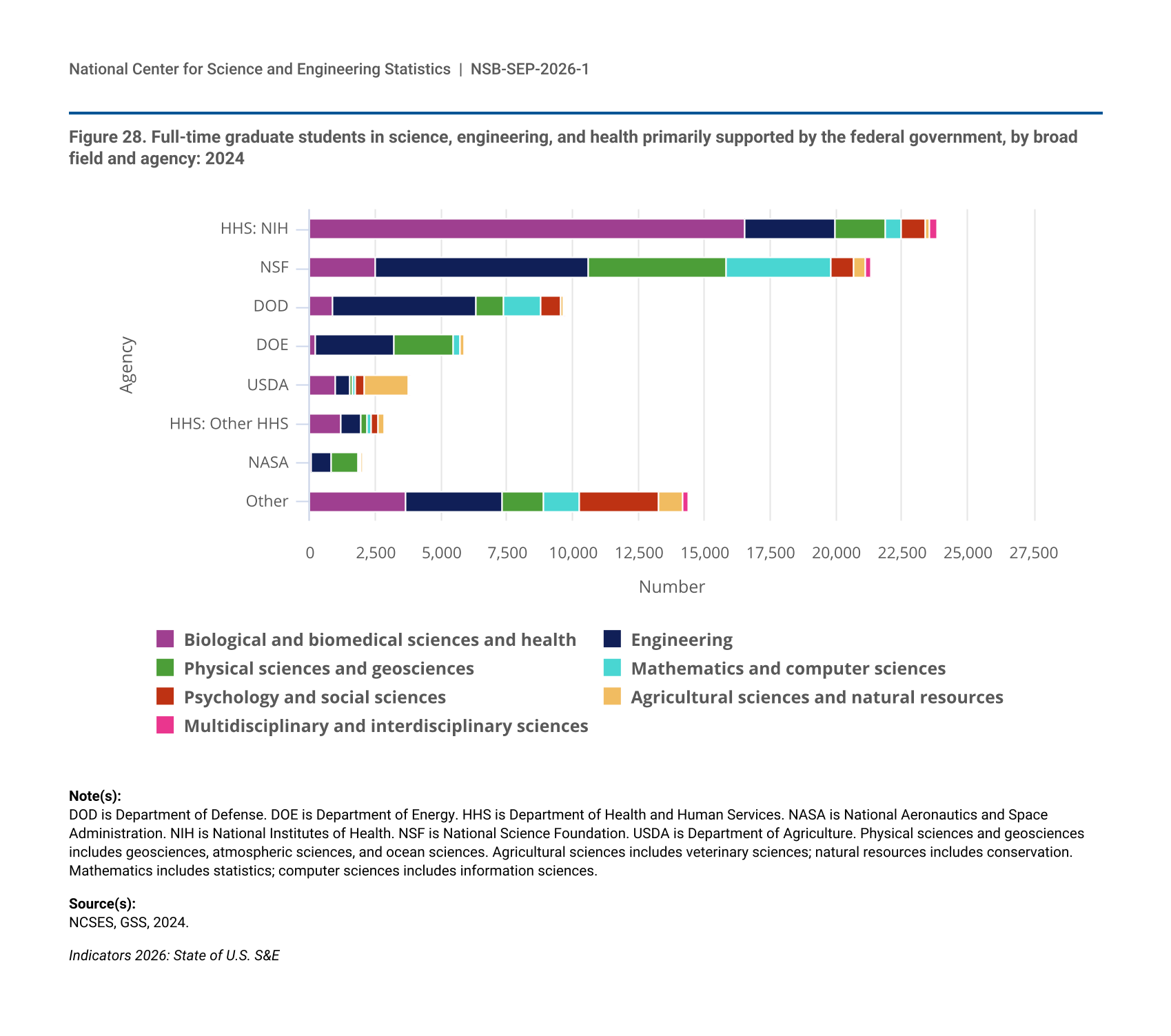
HHS: Department of Health and Human Services
HSLS: High School Longitudinal Study
ICE: Immigration and Customs Enforcement
ICILS: International Computer and Information Literacy Study
IP: intellectual property
IPEDS: Integrated Postsecondary Education Data System
IPP: intellectual property product
ISIC: International Standard Industrial Classification of All Economic Activities
IT: information technology
KTI: knowledge and technology intensive
MSTI: Main Science and Technology Indicators
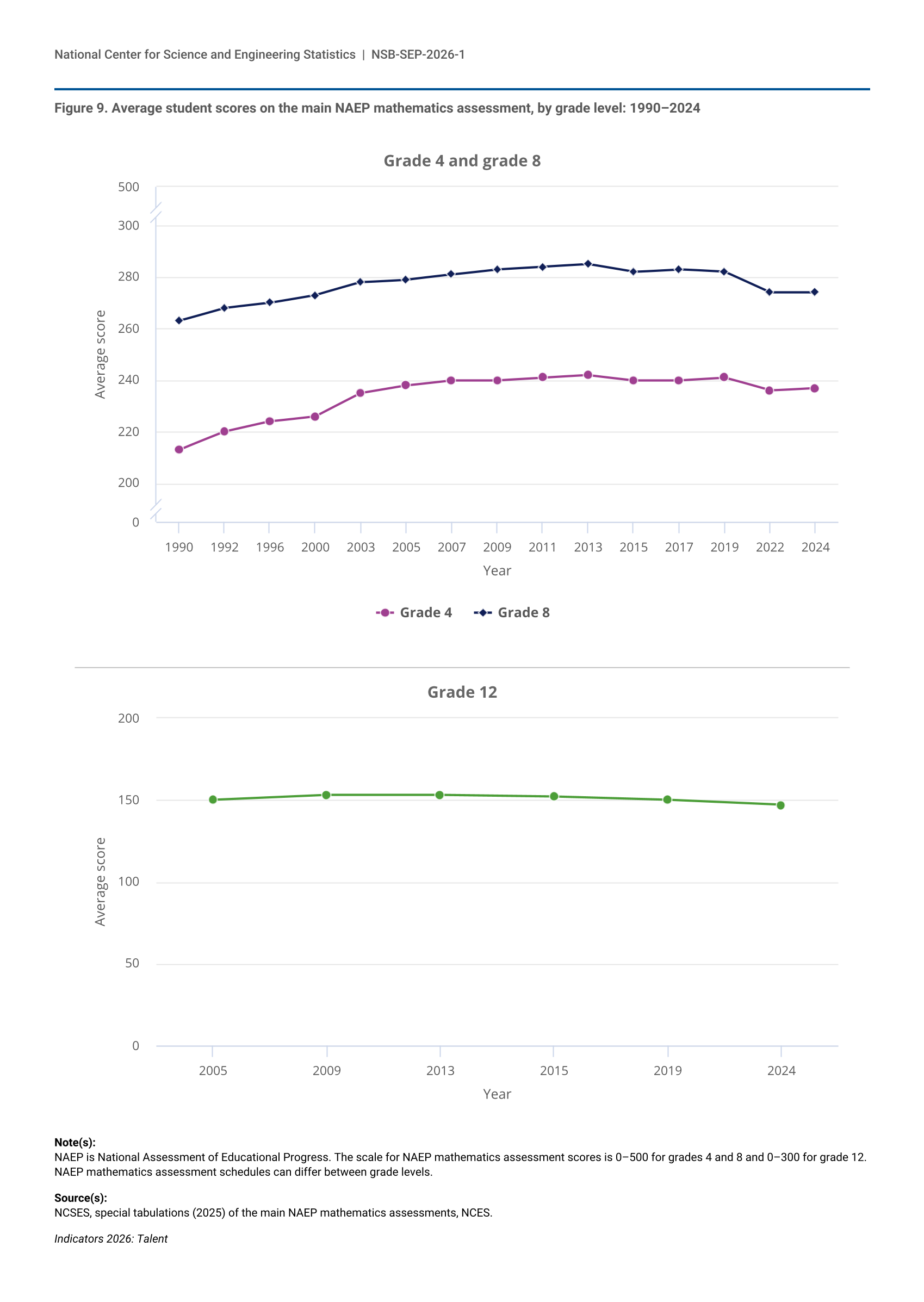
NAEP: National Assessment of Educational Progress
NAICS: North American Industry Classification System
NASA: National Aeronautics and Space Administration
NCES: National Center for Education Statistics
NCSES: National Center for Science and Engineering Statistics
NIH: National Institutes of Health
NSB: National Science Board
NSCG: National Survey of College Graduates
NSF: National Science Foundation
NSLP: National School Lunch Program
NSTC: National Science and Technology Council
OECD: Organisation for Economic Co-operation and Development
OPT: optional practical training
OSS: open-source software
PPP: purchasing power parity
QIST: quantum information science and technology
R&D: research and (experimental) development
S&E: science and engineering
SEH: science, engineering, and health
SES: socioeconomic status
SEVIS: Student and Exchange Visitor Information System
STATT: Statistics Access for Technology Transfer
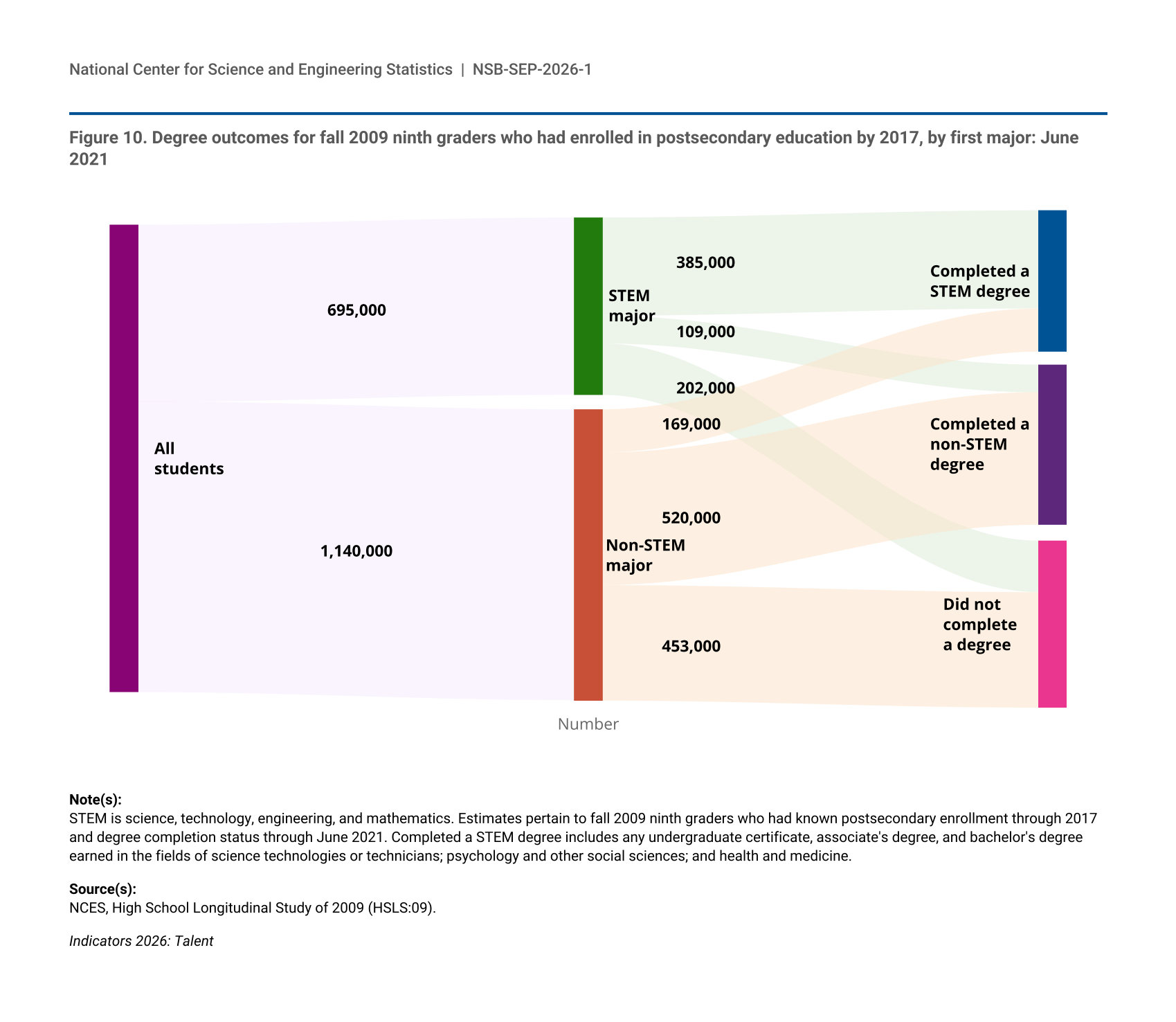
STEM: science, technology, engineering, and mathematics
STI: science, technology, and innovation
TFP: total factor productivity
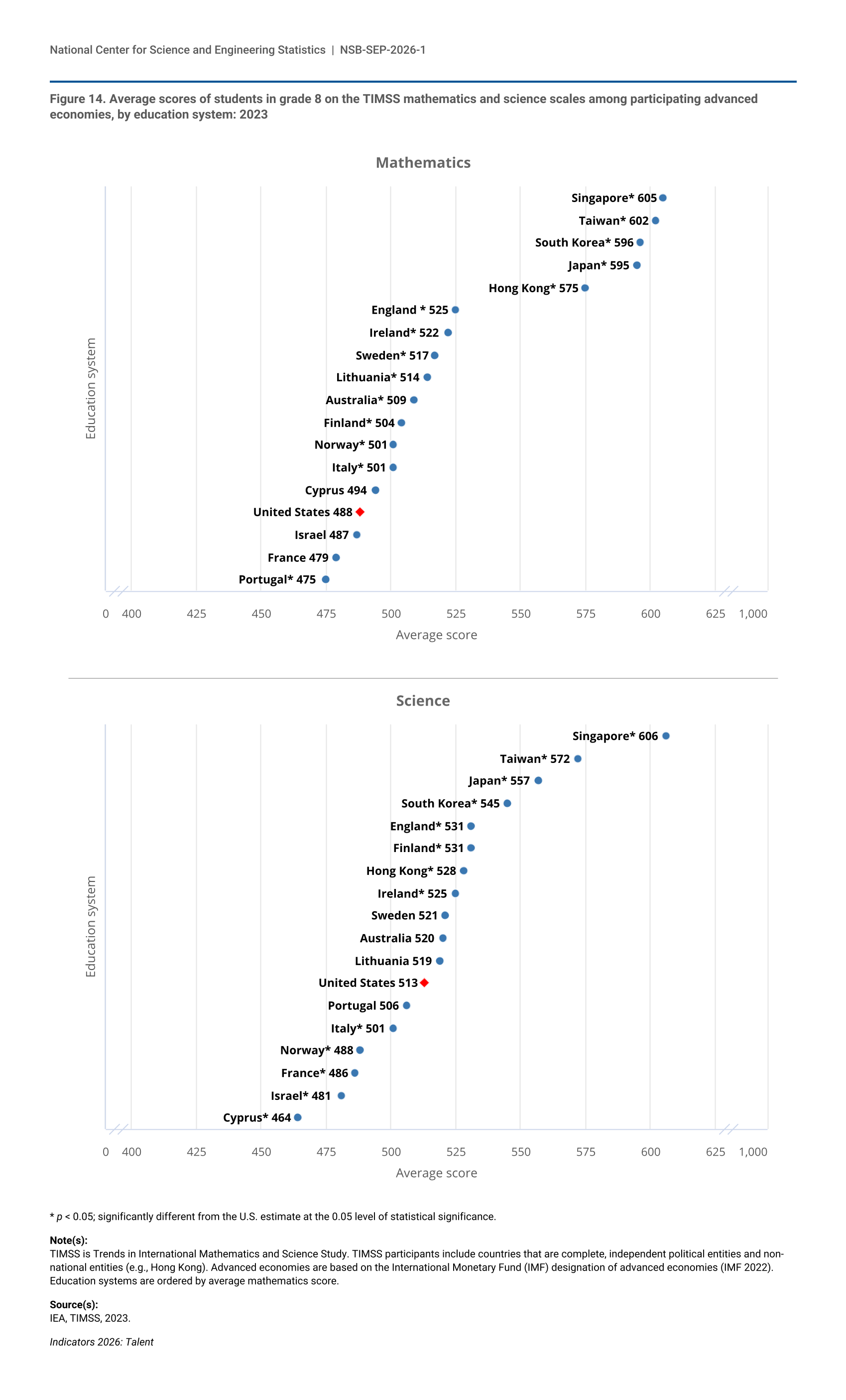
TIMSS: Trends in International Mathematics and Science Study
USDA: Department of Agriculture
USPTO: Patent and Trademark Office
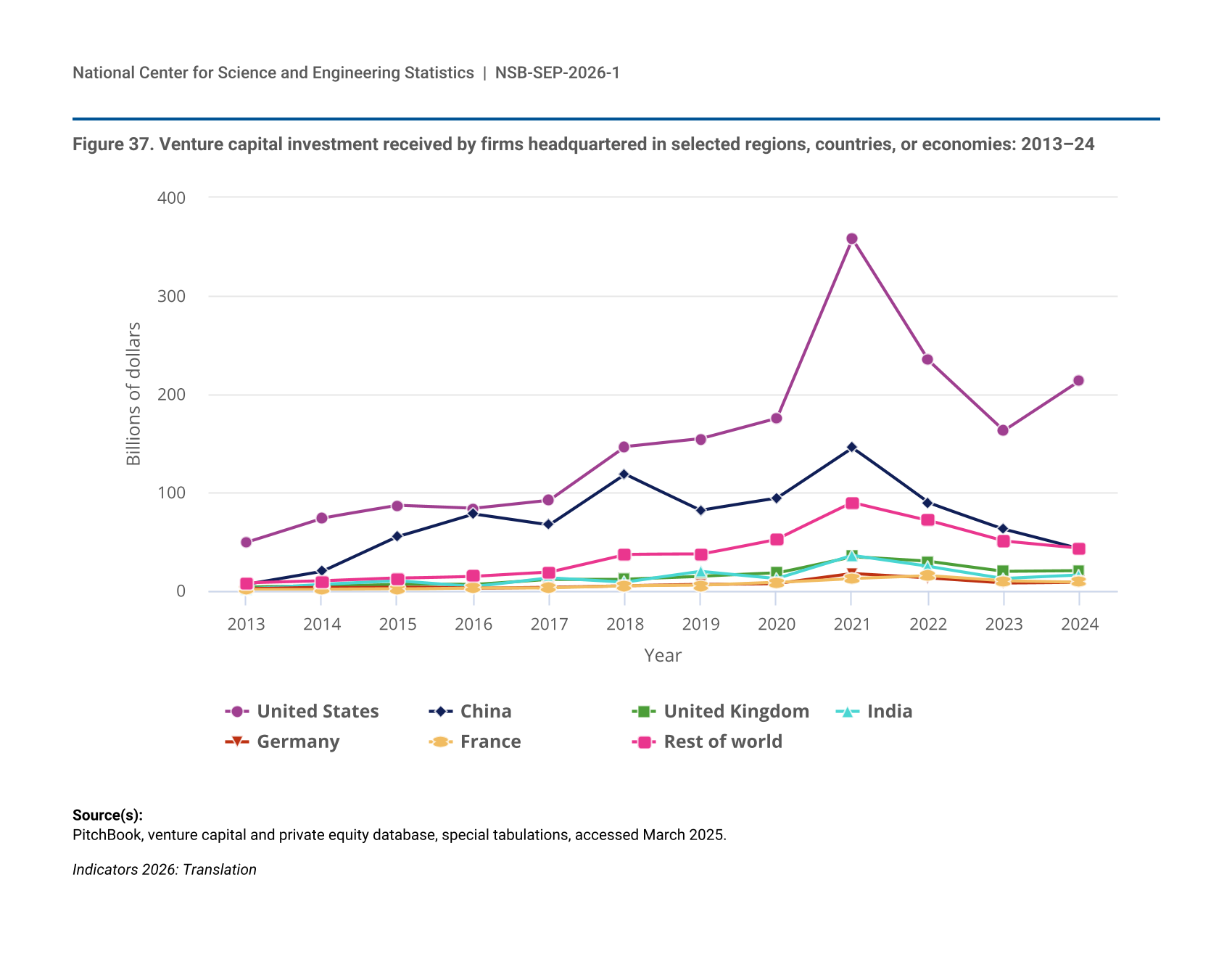
VC: venture capital
WIPO: World Intellectual Property Organization